


Flower Meanings: The Language of Flowers (and the Victorian Meanings We're Choosing To Ignore!)
Aug 28, 2026
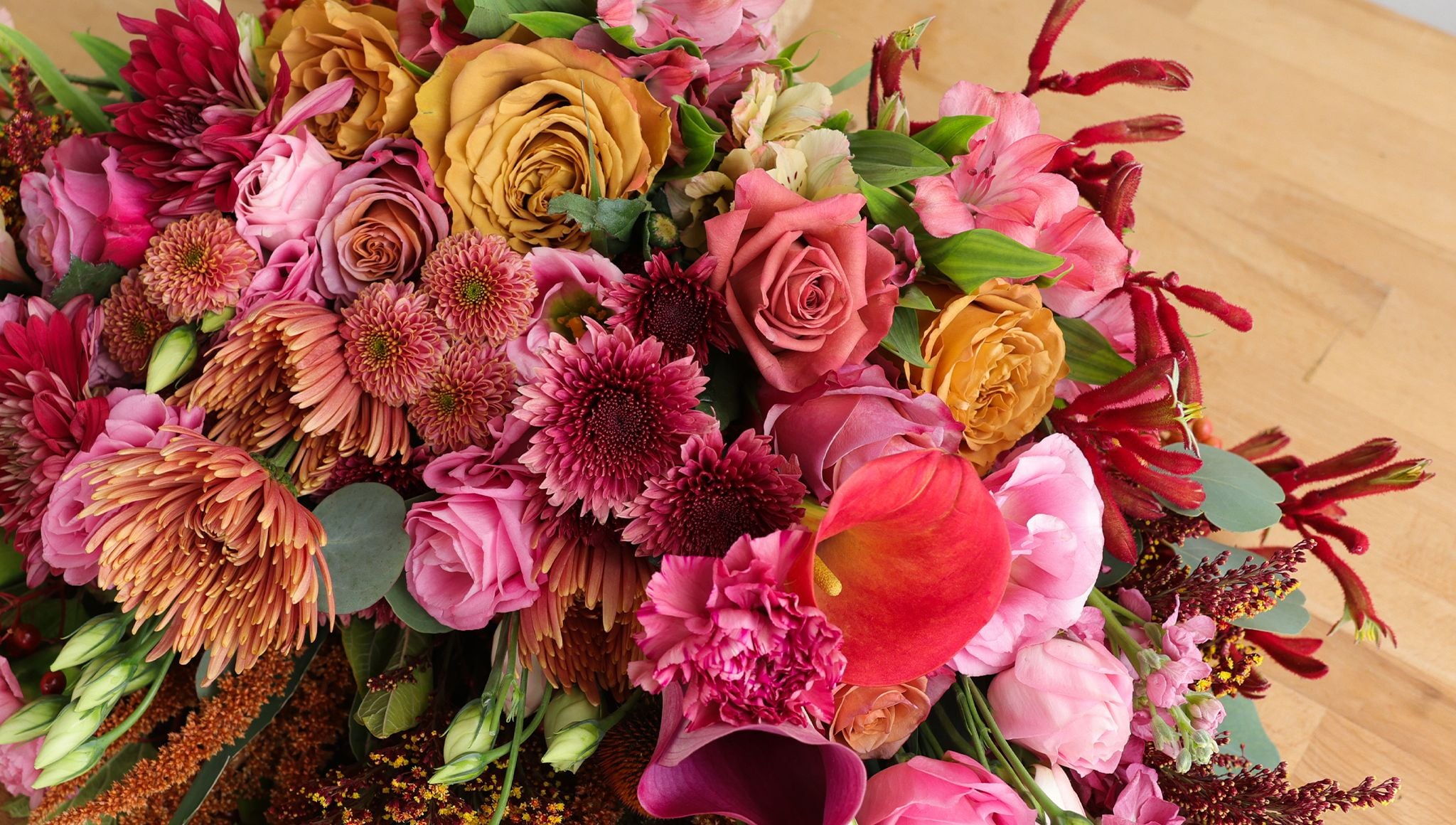
Before I started Farmgirl Flowers, I knew flowers had the power to say things. Red roses said romance (obviously). White lilies felt like just the thing for sympathy. Daisies were obviously cheerful and fun. You probably didn't need more than 15 years in the flower industry to crack those particular codes. What I absolutely did not know was that people had once built an entire vocabulary around flowers—and that some of it was weirdly specific, surprisingly romantic, and occasionally just plain savage (seriously!). I also didn't know whether the whole language of flowers thing was actually a thing, or just something flower companies (like us, I know!) had collectively decided was useful for selling more flowers.
Turns out, it's very much a real thing. For a while in the 1800s, people were basically using flowers the way we use texts, emojis and, depending on your age, maybe even passive-aggressive Instagram stories. There were entire dictionaries devoted to flower names and their meanings, and you could theoretically assemble a bouquet that said everything from I love you to you are radiant with charms to danger (some dictionaries went with beware, which is somehow even better). I mean, how great is that last one?! Rhododendrons—which are literally our state flower up here in Washington—apparently meant exactly that. Imagine answering the door to a bouquet and realizing someone had essentially sent you the floral equivalent of a restraining order.
This whole system became known as floriography, or the language of flowers, and it became especially popular during the Victorian era. People actually consulted floral dictionaries and used bouquets to communicate feelings they weren't necessarily supposed to say out loud, which I kind of love. There was only one small problem: the dictionaries didn't always agree. One book might tell you a white rose meant one thing while another gave it a completely different meaning, which had to make nineteenth-century dating even more confusing than modern dating—and honestly, that's quite an achievement. Maybe it was the equivalent of staring at a two-word text message today and asking three friends whether the period means he's mad.
So before anyone breaks up with somebody over a yellow carnation, please know that flower symbolism has changed across cultures, places and centuries. This is not a legally binding floral contract. But it is pretty fun, and after spending more than 15 years around flowers, I've accumulated some opinions about which of these meanings actually fit. So consider this equal parts Victorian flower dictionary and my completely unofficial amendments to it.
So Let's Get Into It: What Is the Language of Flowers?
The language of flowers, also called floriography, is the practice of assigning symbolic meanings to flowers and plants. Flowers have carried symbolism in cultures around the world for a very long time, but floriography became especially fashionable in Europe and America during the Victorian era. Floral dictionaries told readers what different flowers supposedly represented, and bouquets could be assembled to communicate an entire sentiment without putting a single word on paper. Basically: emojis, but biodegradable.
There are also people still keeping this tradition alive in really beautiful ways. My friend Teresa Sabankaya has built much of her floral work around it. Her gorgeous posies are designed to tell stories through flowers, and she wrote The Posy Book as well as her newer book, Modern Floriography. She's taken something that can feel very old-fashioned on paper and shown how meaningful it can still be when you're choosing flowers specifically for another person.
That's the part I care about most anyway. Not memorizing a chart or worrying that you accidentally bought the wrong color chrysanthemum, but thinking about the person on the other end of the flowers and what you're trying to say to them. Because isn't that really the whole point?
Here's the cheat sheet—or maybe more accurately, the Victorian meaning followed by what we're going with now.
Rose
Victorian translation: Love
Farmgirl translation: Still love. They got this one right.
Peony
Victorian translation: Bashfulness
Farmgirl translation: Soft romance with absolutely no interest in being overlooked.
Ranunculus
Victorian translation: "You are radiant with charms"
Farmgirl translation: A knockout, per the Victorians. Agreed.
Daisy
Victorian translation: Innocence
Farmgirl translation: Joy, friendship and a good mood. We fixed it.
Sunflower
Victorian translation: Adoration, sometimes haughtiness
Farmgirl translation: You make life brighter. Ignore the haughtiness part.
Lily
Victorian translation: Purity, sweetness
Farmgirl translation: Elegance and sweetness. We're retiring "purity."
Tulip
Victorian translation: Love, and red meant a full declaration of it
Farmgirl translation: Quiet romance that doesn't have to try too hard.
Hydrangea
Victorian translation: Boastfulness, heartlessness
Farmgirl translation: Gratitude, abundance and perhaps a few opinions about your napkins.
Dahlia
Victorian translation: Instability
Farmgirl translation: Strong, gorgeous and a little high-maintenance. Two things can be true.
Daffodil
Victorian translation: Regard
Farmgirl translation: New beginnings. A much better assignment.
Forget-me-not
Victorian translation: True love, remembrance
Farmgirl translation: Tiny flower, enormous feelings.
Sweet pea
Victorian translation: Departure, delicate pleasure
Farmgirl translation: A very pretty way to say goodbye.
Orchid
Victorian translation: Elegance
Farmgirl translation: Sophisticated and definitely has standards.
Iris
Victorian translation: A message
Farmgirl translation: Wisdom, hope and a little mystery.
Carnation
Victorian translation: Meanings changed dramatically by color
Farmgirl translation: Underrated, dependable and deserving of a much better publicist.
Chrysanthemum
Victorian translation: Love, truth or slighted love, depending on color
Farmgirl translation: Cozy fall flower with an unnecessarily complicated past.
Lavender
Victorian translation: Devotion, or distrust, depending on the source
Farmgirl translation: Calm on the surface, apparently complicated underneath.
Anemone
Victorian translation: Expectation, sometimes forsaken love
Farmgirl translation: Beautiful, mysterious and has definitely done some emotional work.
And now, because some of these deserve an explanation...
Flower Meanings, Explained
Roses: The Old-School Romantic
If you're asking what flower means love, this is the obvious one. Roses have been associated with love for centuries. Kate Greenaway's famous 1884 Language of Flowers simply lists the rose as "Love," although individual colors and varieties carried their own messages. And honestly, the rose gets this one right. It's the old-school romantic of flowers: beautiful, romantic and absolutely not pretending it doesn't know why you bought it. A red rose wants you to know it's there.
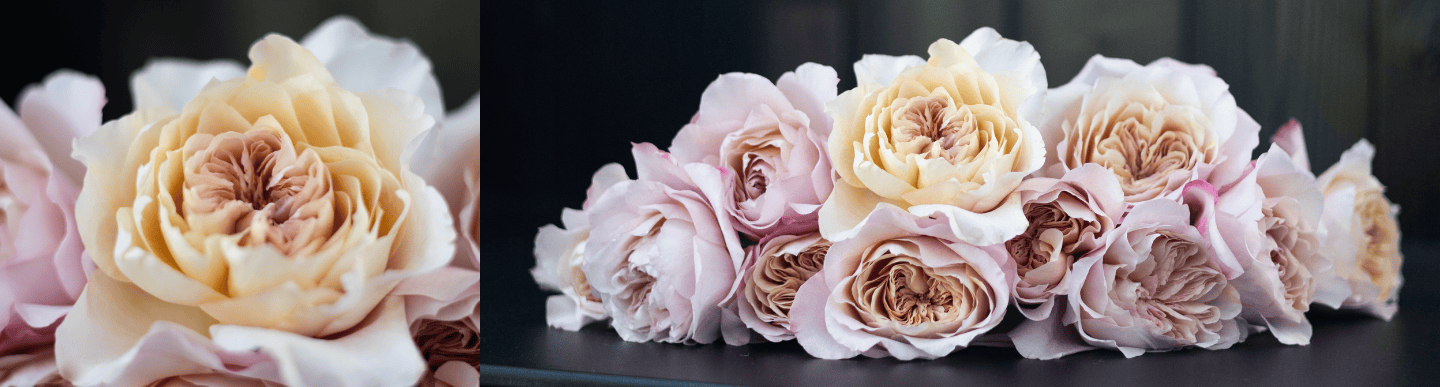
Rose colors have meanings too. Red became associated with romantic love, pink with admiration and gratitude, and white with innocence or purity—which, as a feminist, I have some thoughts about. Yellow roses had the most impressive rebrand of the bunch, evolving from jealousy and dying love in older flower dictionaries to friendship and happiness today. I'm personally very happy for yellow roses. No flower deserves to spend eternity representing jealousy because a Victorian author had a bad afternoon. Also, there's a new yellow rose we're all completely obsessed with at Farmquarters right now—I'd tell you which one, but then everyone would want them and we'd never get our hands on another stem (florist problems)—so I refuse to let yellow roses carry that kind of baggage.
And for what it's worth, after more than 15 Valentine's Days in the flower business, people still really, really want roses. Case in point: XOXO, our rose-packed Valentine's bouquet, has been our best-selling Valentine's Day arrangement in four of the last five years. Every year there's a temptation in the floral world to decide that everyone must surely be ready for something newer or more unusual, and every year roses politely remind us that they have held onto the romance job for hundreds of years for a reason. You absolutely do not have to send them, but I'm not betting against them either.
Peonies: The Soft Romantic
The traditional Victorian meaning of the peony is bashfulness, which is objectively hilarious when you consider the actual flower. There is very little bashful about a peony. They're enormous, they have a crazy-high petal count, and when they're fully open some of them are practically the size of your face.
But if I had to give the Victorians the benefit of the doubt, maybe they were thinking about how peonies open. They start out as these incredibly unremarkable little round buds and then slowly unfurl, layer after layer, until suddenly they're complete showstoppers. We call them lollipops when they're cut because that's literally what the buds look like, but give them a day or two and they'll stop you in your tracks. That part does feel a little bashful, I guess.
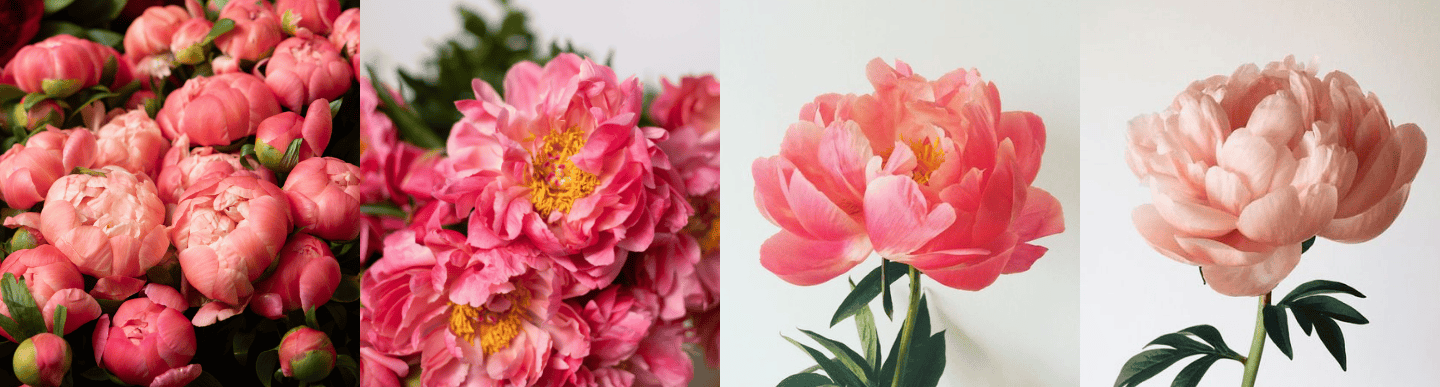
They're the soft romantic of flowers: beautiful without seeming like they're trying too hard. We're growing 36,000 peonies up in Oregon and Washington, and after all these years I still never get tired of watching them open. I think that's part of their appeal too. You don't just get the flower you bought on day one. You get to watch the whole thing happen.
Ranunculus: The Flirty One
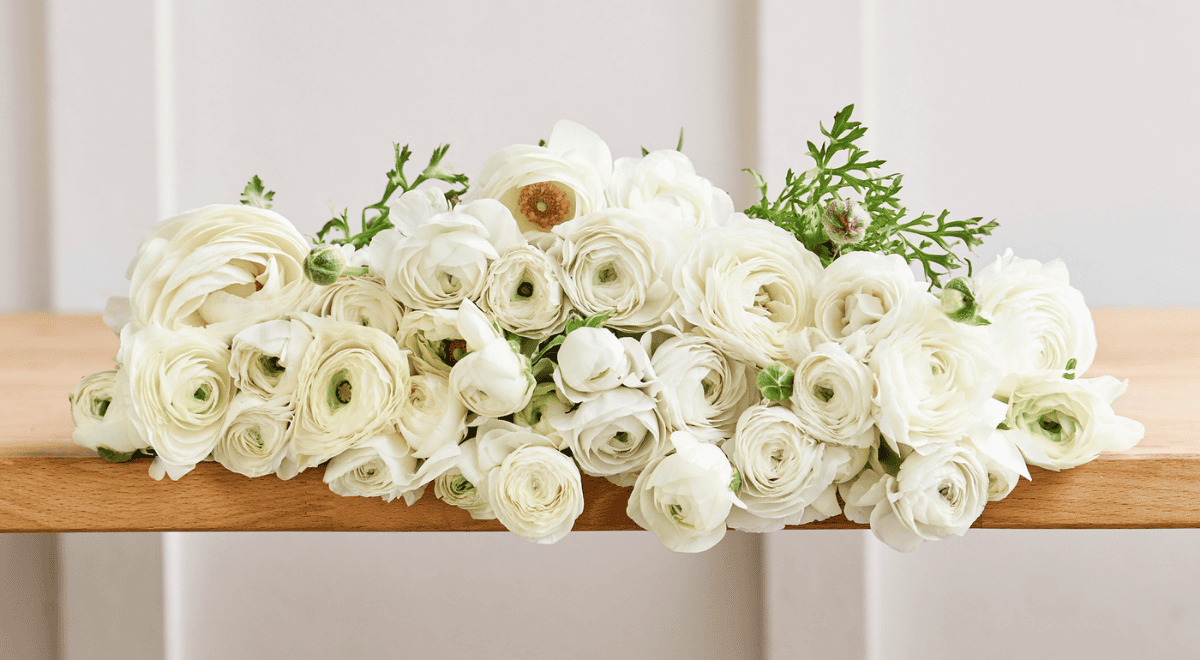
Victorian ranunculus was basically flirting. Kate Greenaway gives ranunculus the meaning "You are radiant with charms," while garden ranunculus meant "You are rich in attractions." Which is an extremely Victorian way of saying: you're hot.
And honestly? They nailed this one. Ranunculus are flirty, fashionable and fully aware of how cute they are. So if you want flowers that essentially say "I find you extremely charming" without going full red-rose romance, ranunculus are just the thing. Ten points to the Victorians here.
Hydrangeas: Beautiful, Opinionated and Judging Your Table Linens
This may be my favorite flower-meaning discovery. One Victorian flower dictionary assigned hydrangeas the meanings "a boaster" and "heartlessness." Um, excuse me? Apparently the hydrangea is the impeccably put-together friend who compliments your dinner table and then quietly moves one candlestick two inches to the left. Is that me? We all know—and love—that person. She's the Charlotte or maybe even the Emily Gilmore in your life.
Which makes it even funnier that I spent years not appreciating hydrangeas at all. When I started Farmgirl, I thought they were old-fashioned and boring. Somewhere along the way I did a complete 180, and now I love how elegant and incredibly useful they are. A few stems in a vase can make your entire house look like you have your life together when you absolutely do not.
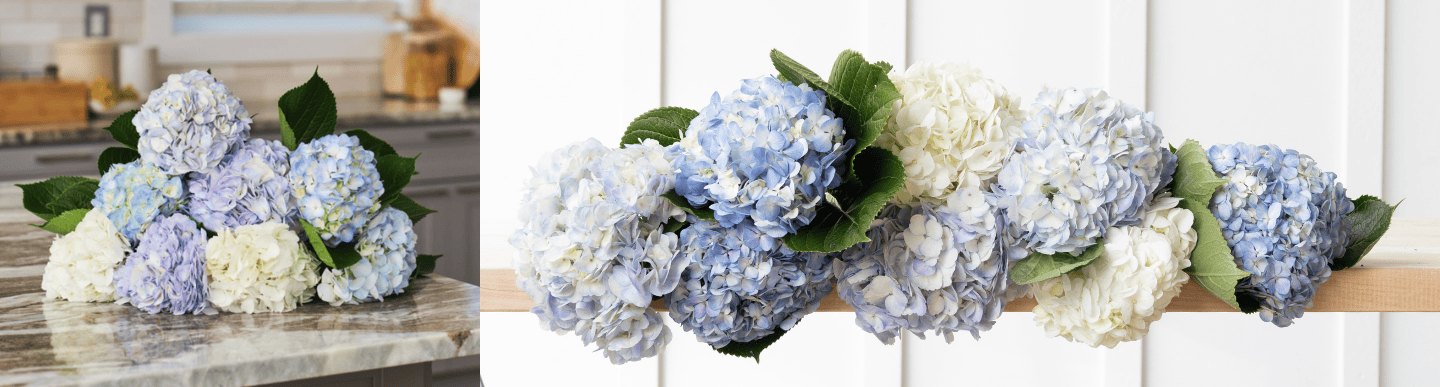
Thankfully, we've gotten much nicer to hydrangeas over the years. Today they're more often connected with gratitude, abundance and heartfelt emotion. So she does have a heart. She just also may have some opinions about your napkins.
Daisies: The Cheerful Girl Next Door
Here's one where I'm going to respectfully disagree with a couple hundred years of flower dictionaries. Daisies have traditionally symbolized innocence, which is one of those words I have very little patience for when it's held up as a virtue for women. For centuries, women have been praised for being innocent, pure and untouched—as if our goodness somehow depends on how little life we've lived. Um, no thank you.
And also: have you looked at a daisy? They come in just about every happy color you can imagine. They're cheerful and unfussy, and there's really no way not to smile when you see one. To me, they're a girlfriend catch-up, a dance party with your favorite niece, or bare feet in the grass on the first sunny day of summer. Basically, the flower equivalent of a good mood.
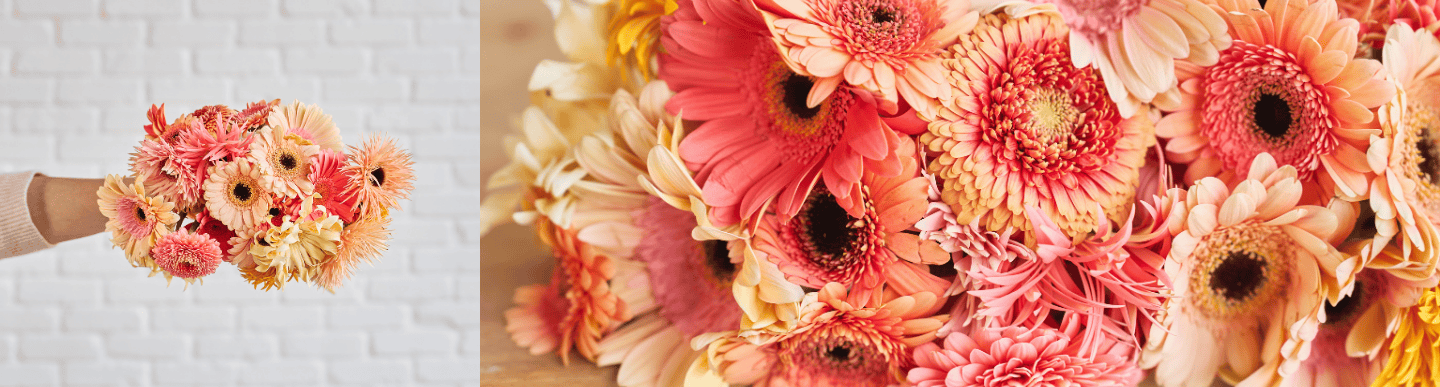
So while Victorian flower dictionaries can keep innocence, I'm officially rebranding daisies around here as joy, friendship and new beginnings. Sorry, Victorians. This one's ours now.
Sunflowers: The Person Who Lights Up the Room
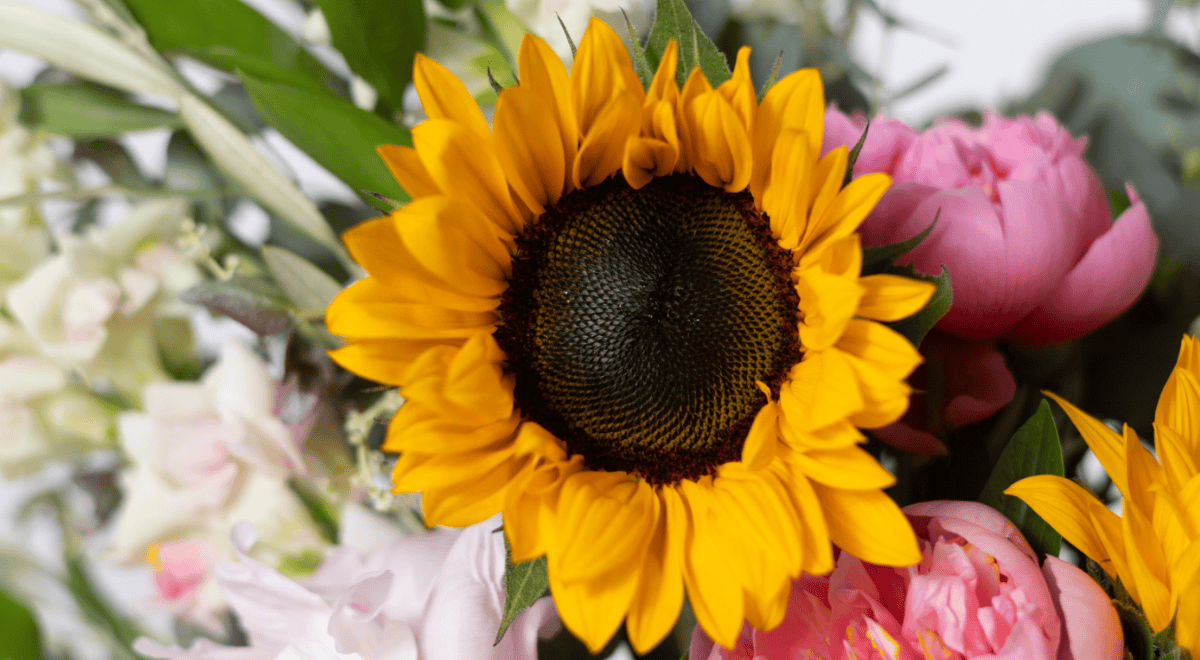
Today, sunflowers usually get the much more appropriate meanings of adoration, loyalty and positivity, which feels a whole lot more accurate to me. I mean, look at one. A sunflower is basically the human equivalent of walking into a room and turning all the lights on.
Older flower dictionaries, however, sometimes associated sunflowers with haughtiness, which feels wildly unfair. A sunflower literally spends its life turning toward the sun and somehow the Victorians decided it had an attitude problem. I'm ignoring them on this one too. Sunflowers feel warm and optimistic and joyful, and if you need flowers to say "you make life brighter," they're pretty hard to beat.
Lilies: The Effortless Overachiever
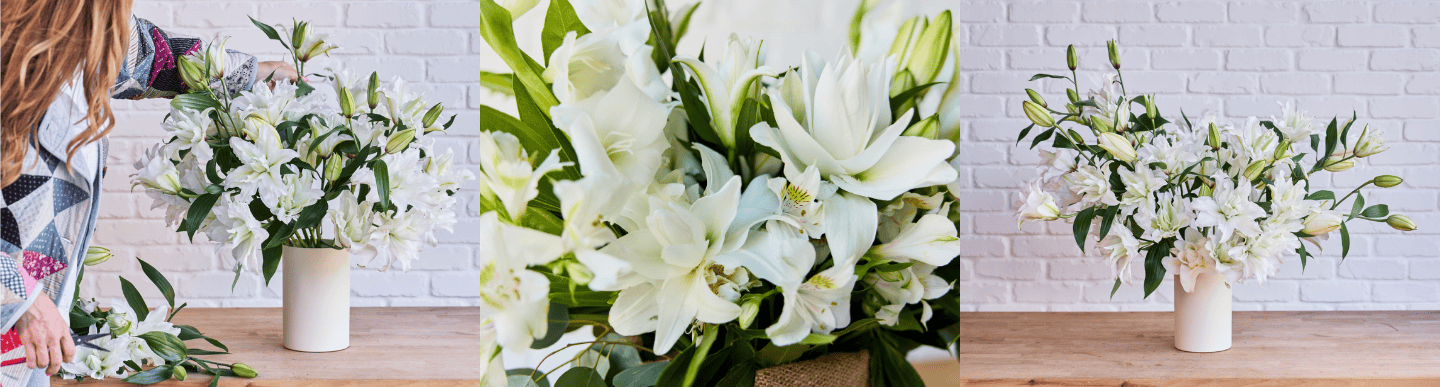
Lilies have long been connected with purity and sweetness, especially white lilies. Again with the purity word. So around here, I'm going with sweetness and elegance instead.
Lilies are the effortless overachiever of the flower world. Classy, polished, and somehow never breaking a sweat—you know that person. She brought homemade everything to the school fundraiser and swears it was no trouble at all. They're also incredibly versatile. Lilies can feel celebratory in one arrangement and peaceful or comforting in another, which is kind of their superpower.
And maybe best of all, they make you look much more put together than the amount of effort required would suggest. They're one of my favorite chop-and-drop flowers. Stagger and trim the stems, drop them in a vase and suddenly it looks like you've got it all figured out, which is my favorite kind of flower. (They're also famously long-lasting—more on that in our guide to what flowers last the longest.) There are plenty of flowers that require a florist to make them behave. Lilies are not one of them, and I love them for that.
Dahlias: Beautiful, Dramatic and Apparently "Unstable"
This one made me laugh out loud. In Kate Greenaway's Victorian flower dictionary, the dahlia meant instability. As someone who grows dahlias...fair.
I love dahlias. They're one of my absolute favorite flowers to grow, and one of my favorite things in the garden is watching bees climb inside them and literally fall asleep in the petals. But dahlias are also the drama queens of the flower world. They hate frost. Their tubers require special treatment in cold climates. Some varieties ship beautifully and others practically faint if you look at them wrong. So I'm not saying the Victorians were right, but I understand how they arrived there.
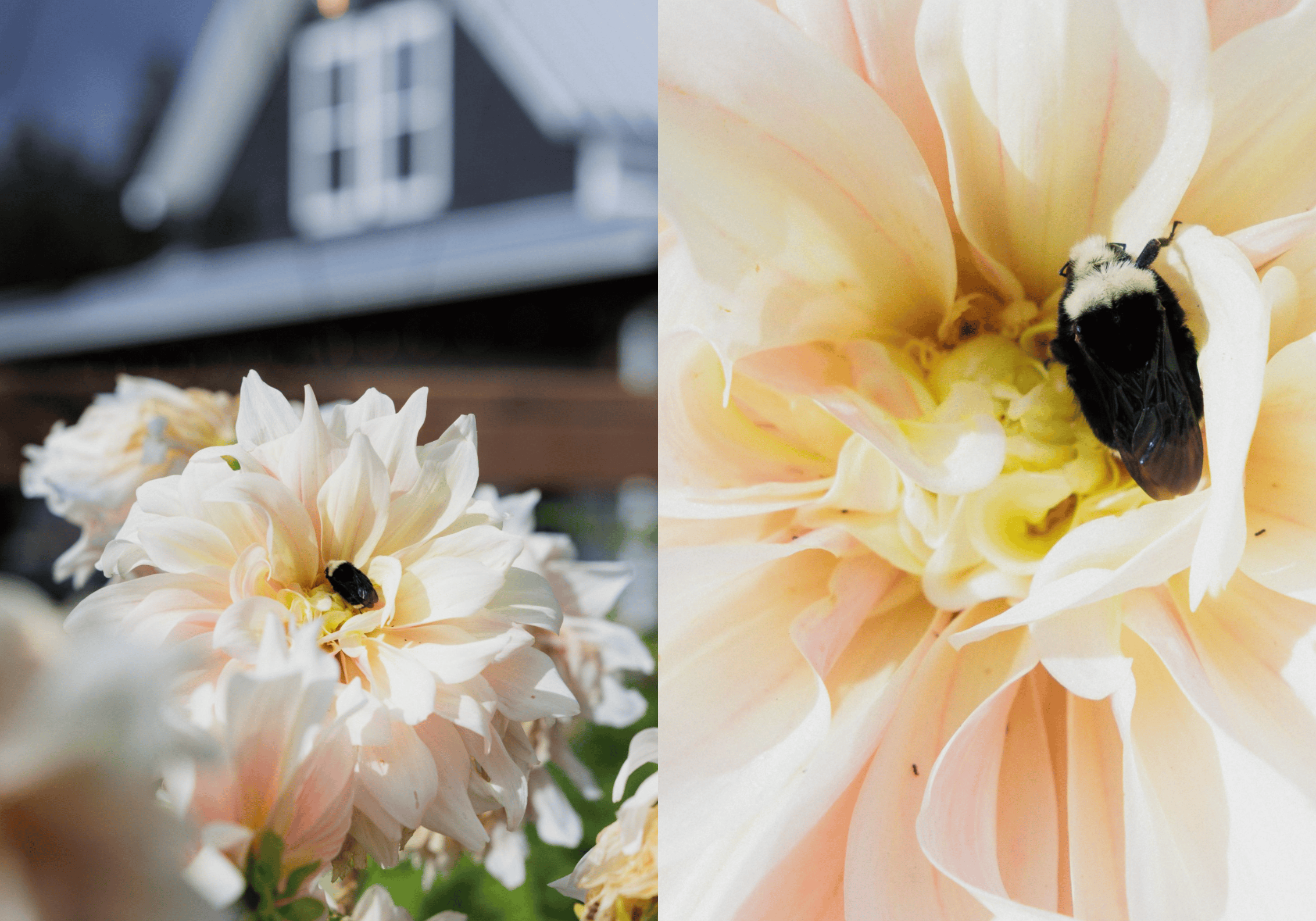
Thankfully, dahlias have gotten a better publicist since then and are now more commonly associated with things like inner strength, commitment and resilience. And after more than 15 years in flowers, I think both meanings can probably coexist. You can be strong and still need a little extra care sometimes. I think most of us can relate.
Tulips: The Quiet Classic
Tulips look simple until you actually look at them. There are parrots with ruffled, feathered edges, doubles that could pass for peonies from across a room, fringed varieties that look like they've been dipped in frost, and French tulips with stems so long they seem structurally implausible. And yet even the plainest single tulip has this clean elegance that's hard to argue with.
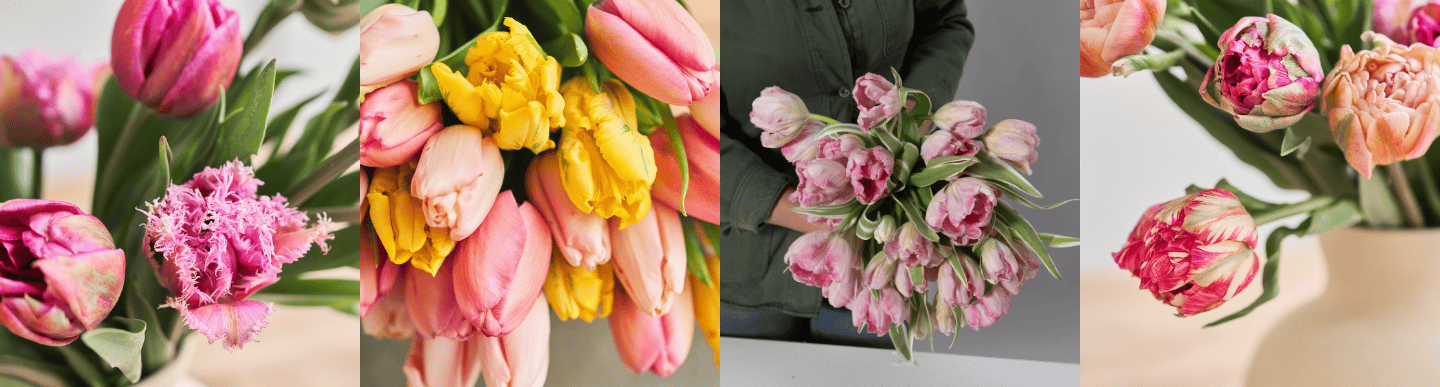
She's the quietly romantic one who doesn't have to raise her voice to get noticed. The crisp white button-down with blue jeans and a good pair of loafers. Works for everything, every time. The Victorians assigned tulips to passion, which feels like a stretch until you get to the red ones. That tracks. And it's one reason red and pink tulips are such a good alternative to red roses around Valentine's Day: same general message, more interesting delivery.
Tulips get even more fun when you start looking at flower color meanings, although Victorian dictionaries were a little all over the place here too. Red got the very direct "declaration of love." Variegated tulips got "beautiful eyes." Huh? And yellow—poor yellow, again—got saddled with "hopeless love." Modern meanings have softened considerably, with pink tulips commonly associated with affection and sweetness, yellow with happiness and friendship, white with forgiveness or new beginnings, orange with enthusiasm and purple with elegance and admiration. Once again, I'm voting for the modern meanings. The Victorians really did not let yellow flowers catch a break.
Orchids: The One With Very High Standards
Orchids are elegant in the most obvious way. They're architectural, sculptural and even slightly intimidating. They're the friend whose house never appears to have a charging cord lying on the kitchen counter. Seriously, where are they?!
Today, orchids commonly symbolize elegance, beauty and longevity, which feels exactly right. They're more sculptural than most flowers and work especially well for someone whose taste leans modern, minimal or sophisticated. Orchids aren't trying to charm everyone. They know exactly who their audience is.
Forget-Me-Nots: The Sentimental One
Sometimes the flower name doesn't leave much for the symbolism department to do. Forget-me-nots traditionally mean true love and remembrance, and Kate Greenaway's dictionary gives them: "True love. Forget me not." They're teeny-tiny flowers that you're much more likely to buy as a plant than as a cut flower, but they carry a very big sentiment.
And this is really why I love the language of flowers in the first place. We attach our own meanings to them anyway. You smell a lilac and suddenly you're eight years old again, swinging on the swing set situated directly between a purple and a white lilac tree—or was that just me? You see the flowers you carried at your wedding and remember the room, the people and how you felt that day. You see the flower your grandmother always grew and suddenly you're back in her garden, drinking her famous—in your family, at least—sweet tea.
At that point, whatever the Victorian dictionary says almost doesn't matter. The flower already has a language that belongs to you.
Which Flowers Mean Love?
Quite a few, actually. Roses are the most famous flowers symbolizing love, particularly red roses. Red tulips traditionally symbolize a declaration of love. Forget-me-nots represent true love and remembrance. Ranunculus tell someone you find them radiant and charming. Red chrysanthemums have also historically carried an "I love you" meaning.
But I wouldn't get too hung up on finding the flower with the most technically correct definition. If the person you love hates roses and adores peonies, for the love of all things, please send the peonies. The point is the person. My mom loves carnations, and I'm getting her carnations no matter what a flower dictionary tells me they mean. But if I'm buying flowers for someone I don't know well enough to know their favorite flower—or even their favorite color—choosing based on a flower meaning can actually be a really fun place to start.
What Flowers Mean Thank You or Gratitude?
If you're looking for flowers that mean gratitude or thank you, pink roses and hydrangeas are two of the easiest places to start. Pink roses are commonly associated with gratitude, admiration and appreciation, while modern flower symbolism often connects hydrangeas with heartfelt emotion and thankfulness. Both make a lot of sense to me, although I'm personally not convinced gratitude needs its own officially sanctioned flower.
This is one of those occasions where knowing even one little thing about the person is better than following the chart perfectly. If someone invited you to stay at their house for the weekend and you know they have blue-and-white everything in their kitchen, send the blue hydrangeas and happily call them your thank-you flowers. If your friend helped you move and she loves pink, send the pink roses. The meaning is thank you. The flower is how you make the thank-you feel like it came specifically from you.
Do Flower Colors Change Their Meanings?
Absolutely. Because apparently flowers weren't complicated enough already.
The meaning of a flower can change quite a bit depending on its color. Roses are probably the easiest example: red traditionally means romantic love, pink leans more toward admiration, gratitude and affection, and yellow usually reads as friendship and happiness today. White has historically been tied to purity and innocence, and, as we've already established, I'm very happy to retire some of that Victorian obsession with women being "pure" and let white flowers mean things like peace, remembrance or a fresh start instead.
Roses weren't the only flowers with a color-coded vocabulary either. Tulips could shift from declarations of love to cheerful friendship depending on the shade. Chrysanthemums got especially dramatic: red could mean "I love," white meant truth and yellow was assigned the wonderfully uplifting meaning of "slighted love." Carnations had an equally elaborate system, with different colors communicating everything from admiration to rejection.
So yes, both the flower and the color can matter, but remember that none of these meanings were handed down on stone tablets. They changed by country, time period and whoever happened to be publishing the flower dictionary. Imagine trying to date before Google. You send someone the wrong shade of carnation and suddenly you've accidentally ended the relationship.
What Flowers Symbolize Friendship?
If you're looking for flowers that mean friendship, you have plenty of options that aren't trying to accidentally declare eternal romantic devotion. Yellow roses are probably the best-known modern friendship flower. Freesias are also associated with friendship, while sunflowers work beautifully when you want to communicate warmth, happiness or admiration, which usually goes hand in hand with friendship anyway.
But this is also one of those categories where I think you can completely ignore the rules. If your friend loves hot pink peonies, send her hot pink peonies. If she's obsessed with daisies, send the daisies. Knowing what she actually loves is the whole message.
What Flowers Symbolize Sympathy or Remembrance?
Forget-me-nots are probably the most literal flowers associated with remembrance, while rosemary has carried a connection to remembrance for centuries. Lilies, especially white lilies, are also very commonly used for sympathy today, even though their older symbolism often centers on purity. Personally, I think peace, remembrance and love are much more useful ways to think about them.
After sending a whole lot of sympathy flowers over the years, I also think this is one of the times when symbolism should take a very distant second place to the actual person who is grieving. If their mom adored garden roses, send garden roses. If their dad grew sunflowers every summer, sunflowers may say more than the most technically correct sympathy flower ever could. When someone is grieving, the goal isn't to pass a Victorian flower-symbolism test. It's to say, I remember. I care. I'm thinking about yo
What Flowers Mean New Beginnings?
If you're searching for flowers that mean new beginnings, daffodils are the classic answer—they're among the flowers most commonly associated today with new beginnings, rebirth and hope, which feels completely appropriate when they're some of the first brave little things to pop up in spring. Older Victorian dictionaries often described daffodils simply as regard, so once again, I think we've improved the assignment.
Daffodils are wonderful for graduations, new homes, new jobs, babies, big life changes—or the friend who has finally dumped the person you've all politely disliked for years. New beginnings come in many forms. And if daffodils aren't in season, other spring bulb flowers can carry that feeling beautifully too. Tulips and lilies are great substitutes.
What Flower Means "I'm Sorry"?
This one is trickier, mostly because there isn't one universally agreed-upon flower that means apology—and perhaps that's for the best. White tulips are often associated today with forgiveness, and white roses can carry meanings of peace or sincerity. There are also all kinds of older flower-dictionary meanings tied to regret, forgiveness and reconciliation, depending on which book you happen to open.
But if you actually need to apologize to someone, I would not spend thirty minutes researching whether the Victorians assigned the correct amount of remorse to a white tulip. Get the flowers the person loves, write down what you're actually sorry for, and mean it. Flowers are very good at opening the door. Unfortunately, they cannot do the apology for you.
So...Do Flower Meanings Actually Matter?
Yes and no. It's pretty amazing that humans have been assigning meaning to flowers for hundreds of years, and I absolutely love that someone once cared enough to publish an entire dictionary explaining that ranunculus means you are radiant with charms. But after more than 15 years of sending flowers, I think the most important flower meaning is still the one between the sender and the person receiving them.
If your mom loves yellow roses, yellow roses mean Mom. If your grandmother grew lilacs beside her house, lilacs mean Grandma. If your best friend carried an enormous bouquet of pink peonies at her wedding, those peonies will probably always mean her. That's really what I think the language of flowers gets right: flowers collect meaning. Sometimes that meaning comes from a two-hundred-year-old dictionary. Sometimes it comes from a wedding, a garden, your grandma's house or a person you really miss. And sometimes it's simply, I saw these and thought of you.
The official meanings are fun, and they're a great place to start, especially when you don't know what someone loves yet. But the best bouquets are the ones that make someone think: Wow, you get me.
FAQs About Flower Names and Meanings
What is the language of flowers?
The language of flowers, also called floriography, is the tradition of using flowers and plants to symbolize emotions, qualities or messages. It became especially popular during the Victorian era, when flower dictionaries explained what different flowers supposedly meant.
What flower symbolizes love?
The rose, particularly a red rose, is the flower most strongly associated with romantic love. Red tulips, forget-me-nots and red chrysanthemums have also traditionally symbolized love or devotion.
What flower symbolizes friendship?
Yellow roses are commonly associated with friendship today. Freesias are also associated with friendship, while sunflowers can communicate warmth, admiration and happiness.
What flowers mean gratitude?
Pink roses are commonly associated with gratitude, appreciation and admiration. Hydrangeas are also frequently connected with gratitude and heartfelt emotion today.
What flower symbolizes remembrance?
Forget-me-nots are one of the best-known flowers symbolizing remembrance and enduring love. Rosemary has also historically represented remembrance.
What flowers are appropriate for sympathy?
Lilies, roses and other soft-colored flowers are commonly used for sympathy, while forget-me-nots and rosemary have specific associations with remembrance. But I would always choose a flower that has personal meaning to the person or family when you know what that is.
What flower symbolizes new beginnings?
Daffodils commonly symbolize new beginnings, rebirth and hope, which feels especially fitting since they're among the first flowers to appear in spring.
What flower means apology or forgiveness?
There isn't one universally agreed-upon apology flower, but white tulips are often associated today with forgiveness, while white roses can represent peace and sincerity.
What do peonies symbolize?
In Victorian floriography, peonies symbolized bashfulness. Today they're also commonly associated with romance, prosperity, good fortune and happy marriages, which still makes a little more sense to me than bashful.
What do ranunculus flowers mean?
Ranunculus traditionally symbolize radiant charm and attraction. Victorian flower dictionaries described their message as "you are radiant with charms" or "you are rich in attractions." Just wow.
Do all flower meaning charts agree?
Ha! Definitely not. Flower symbolism varies by culture, time period and source, and Victorian flower dictionaries sometimes assigned different meanings to the exact same flower. Think of the language of flowers as a tradition, not a legally binding contract.
What's the best flower to send someone?
The one they love. Yes, I'm the founder of a flower company and just spent an entire article explaining flowers and their meanings only to tell you that, but I mean it.
Use flower symbolism for inspiration. Have fun with it. Let it add another layer of meaning if you want to, and then choose the flowers that make you picture the person you're sending them to. Because the very best bouquets don't need a dictionary to translate them. They just say: I know you. I get you. I love you. And that's a pretty amazing message all on its own.