


How to Store Dahlia Tubers Over Winter | Farmgirl Flowers
Sep 24, 2026
In short: Dahlias are tender perennials, so in colder climates digging and storing the tubers is the safest bet. Once frost blackens the foliage, cut the stems back, dig carefully, let the clumps cure for a few days, pack them in a breathable medium like coarse vermiculite, wood shavings, or coco coir, and keep them somewhere dark around 40 to 50°F (the low 40s are ideal if you can manage it). Check them monthly and replant after your last frost in spring. Or, if you live somewhere mild, have well-drained soil, and are short on time, do what I do: mulch heavily, accept some losses, and replant the gaps.
Dahlias are one of my very favorite flowers to grow, and I've (mostly!) made my peace with the fact that they are also one of the most work. They want staking. They want just the right amount of water. Every slug in the county seems to be waiting for them to come out of the ground so they can eat them before they even get a chance to grow into the showstoppers they are. And then, right when they're at their absolute best in October, the frost comes along and the responsible thing to do is dig the whole plant up and store the tubers somewhere with just the right conditions for the next five months. Which is, of course, exactly what we have time for at the end of a growing season. So sometimes we do it, and sometimes we don't.
And yet every spring, we plant more anyway, because nothing else we grow at the Farmquarters gets quite the reaction dahlias do. And we grow 400 spectacular garden roses, so I don't say that lightly.
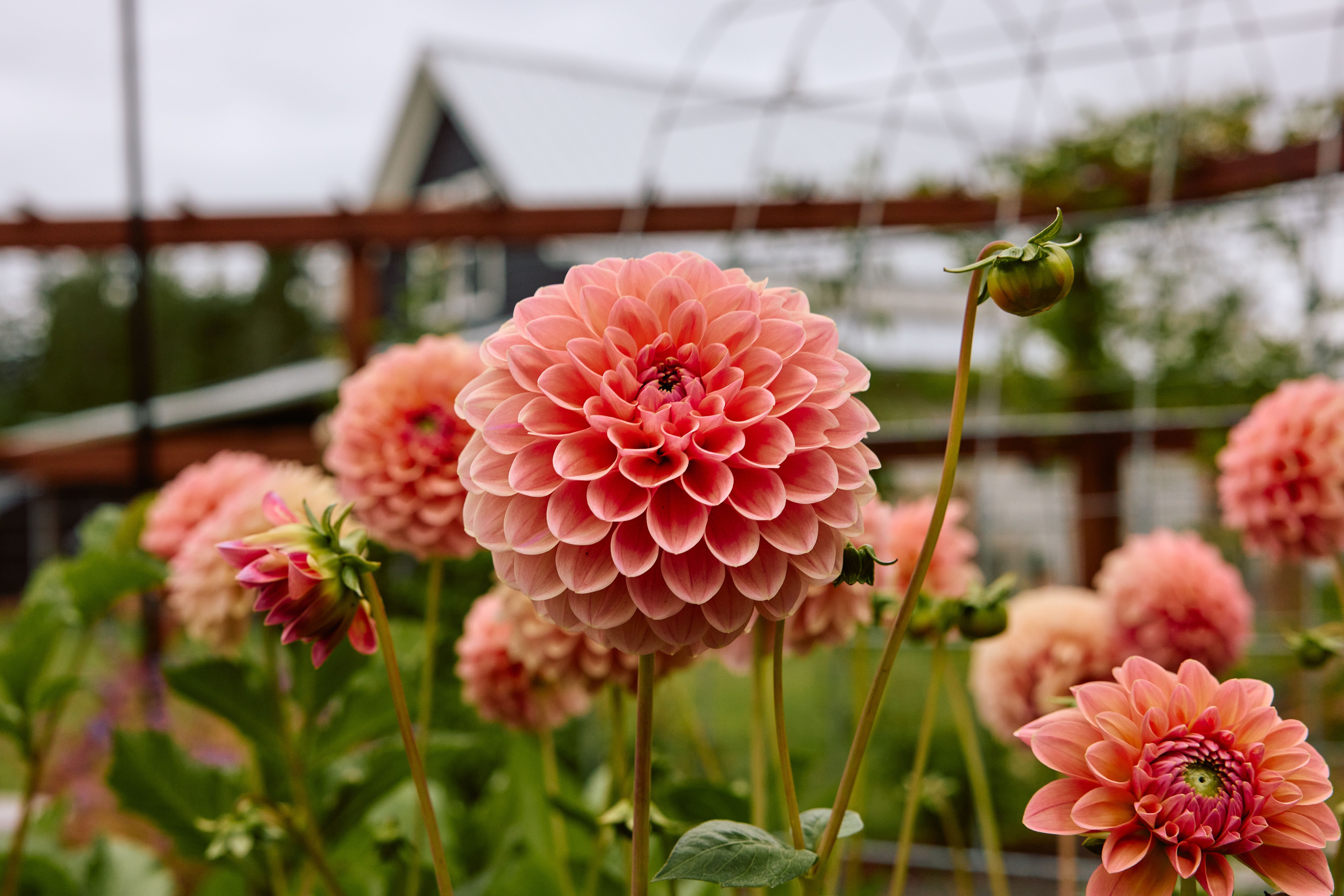
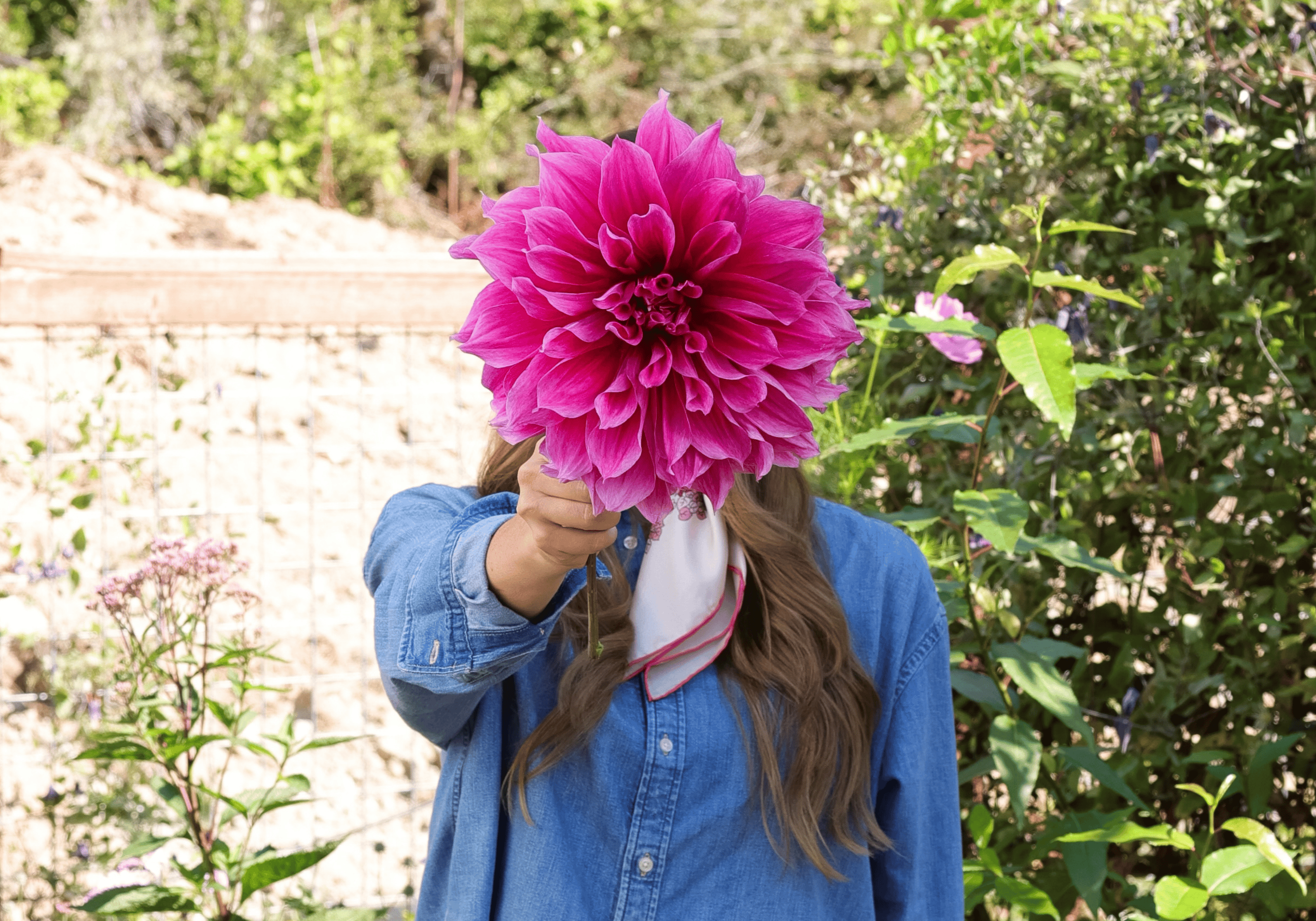
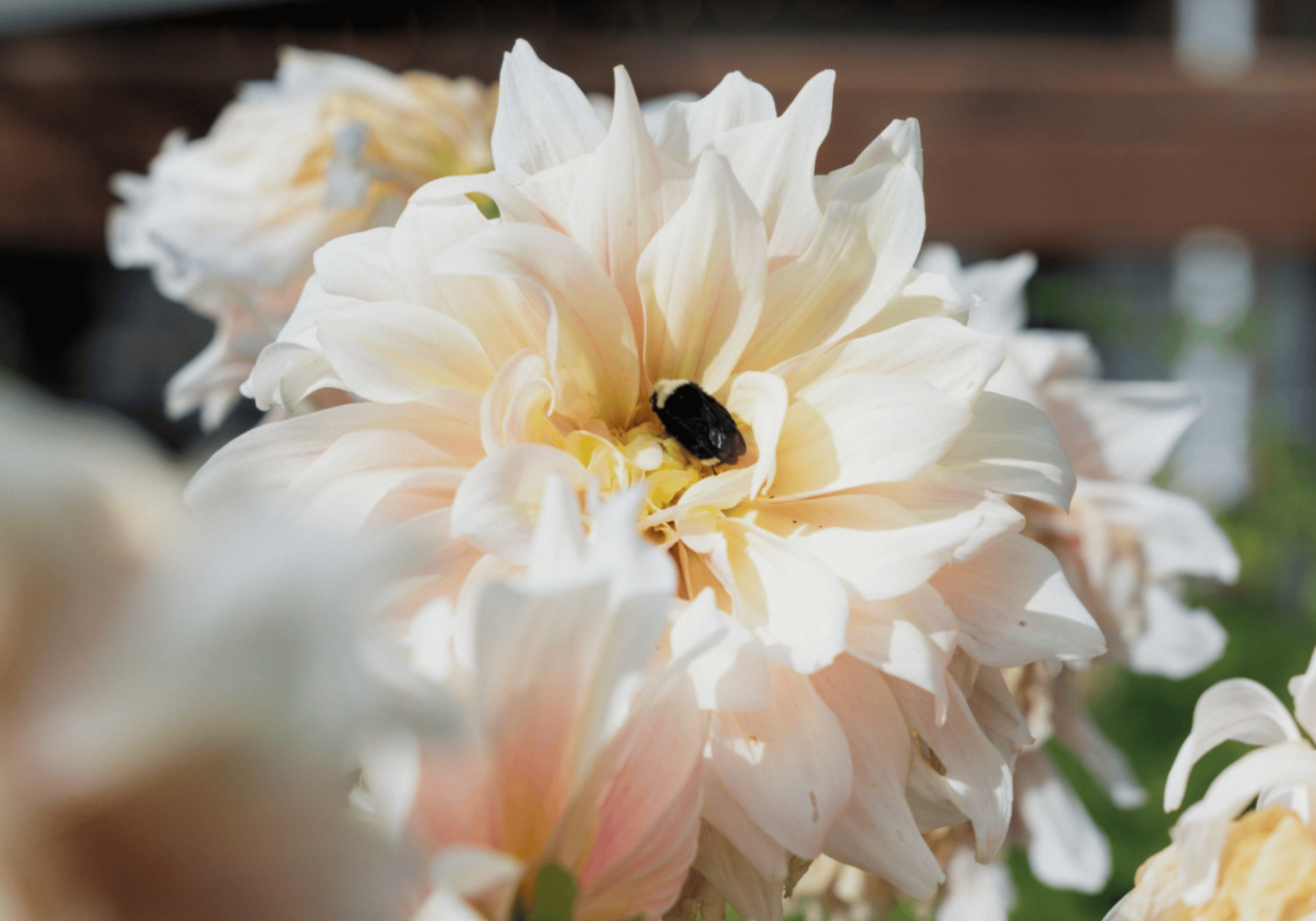
The dinnerplate varieties can literally get bigger than our faces. They come in the most incredible colors, including some that are almost impossible to describe because they're not quite pink or peach or rust or mauve, but somehow all of those at once. Team members will make a special trip out to the garden just to see which ones have opened. And on cool mornings, we often find bees still sleeping inside the giant petals, which might be one of my favorite things about growing them. They're just special. Completely impractical in a lot of ways, a little ridiculous in how much work they require, and still one of the first things I want to plant more of every year.
So here's my honest guide to getting your dahlias through winter. The first part is the right way to do it. The second part is what I actually do most years, which is not always the same thing. And I'll tell you exactly how that's gone.
Are dahlias perennials? (Yes, but…)
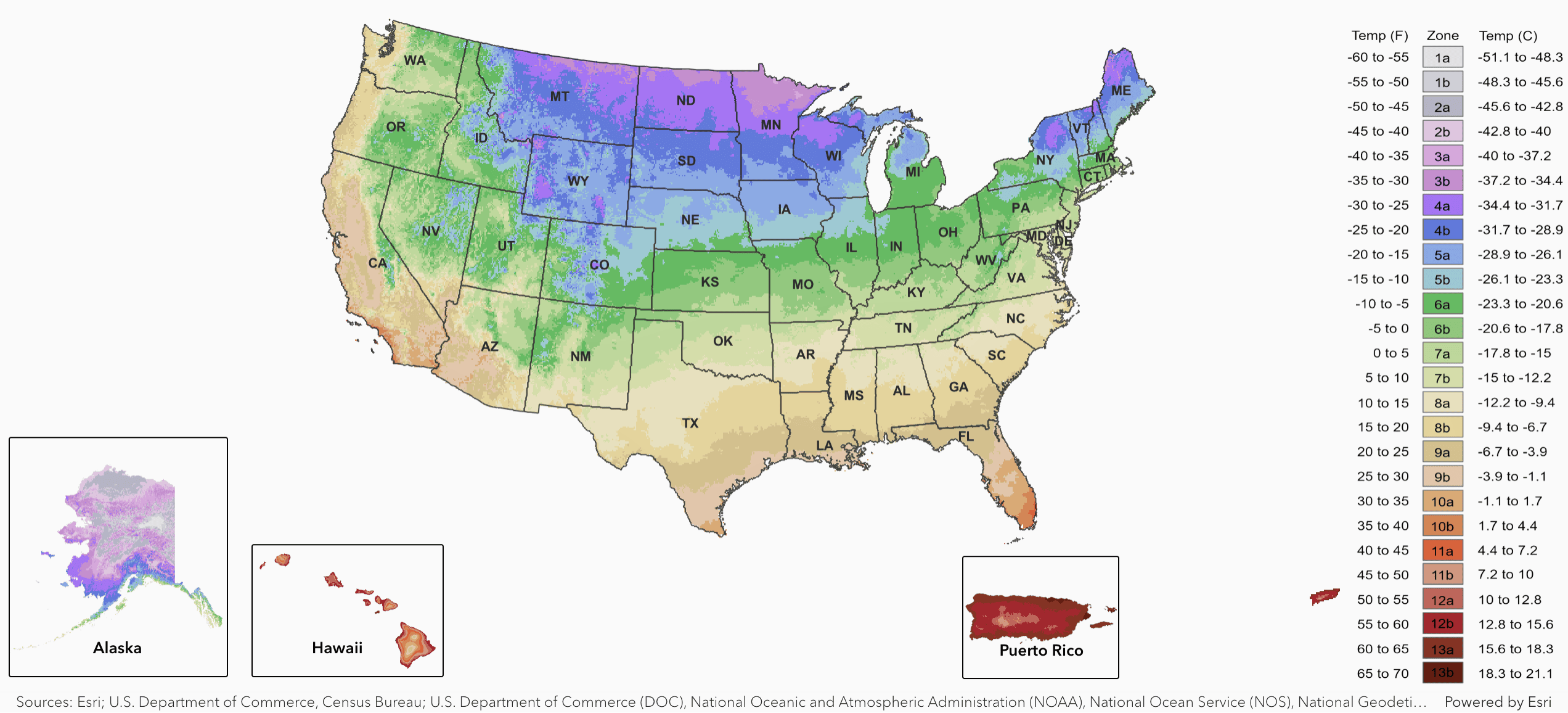
Dahlias are tender perennials: the plant comes back year after year, but the tuber can't survive frozen ground. In zone 7 and colder, digging the tubers after the first hard frost and storing them indoors is the safe bet. In zones 8 and warmer — and in the mildest pockets of zone 7 — they can often stay in the ground under a thick layer of mulch. Drainage matters almost as much as temperature, though. Cold, wet soil can rot a tuber even where the ground never really freezes. Treat them as annuals only if you don't mind buying new tubers every spring.
Which is the whole reason this post exists. Do dahlias come back every year? They do if you help them, and sometimes they do even if you only sort of help them (which is what we do).
The right way: dig, cure, store
If you live somewhere with real winters, or anywhere with cold, wet ones, this is the safest method. It takes a little extra time in fall, but it gives you the best shot at having the same dahlias back next year.
When to dig up dahlia tubers
Dig dahlia tubers one to two weeks after the first hard frost has blackened the foliage. The wait matters: frost signals the plant to send its energy down into the tubers, and those extra days let the skins toughen up and the eyes (next year's growth points) become easier to see. If frost comes late where you live, dig in mid-to-late fall once the plants have stopped blooming and the days are cool. The bigger point is not to rush them out of the ground while the plant is still happily green and growing.
Frost is the starting gun for a lot of fall chores around here, by the way. It's the same window when we cut the peonies back over at the farm in Oregon, so the whole first week of November tends to be one long to-do list.
How to dig up dahlias without wrecking them
Cut the stems down to about four to six inches, then dig a wide circle about a foot out from the stem and lever the whole clump up from underneath. Dahlia tubers hang off the old stem like a bunch of fat carrots, and each one is attached by a thin neck that can snap pretty easily. A tuber with a broken neck won't sprout, so the goal is to lift the whole clump, not pull it by the stem.
Label as you go. Tie a tag to the stem or write the variety on a tuber with a pencil or garden marker before it leaves the bed, because every dahlia clump looks identical in a bin in February. Then shake off the loose soil. Whether to rinse is a matter of camp: rinsing lets you see the eyes and any damage, but wet tubers need longer to dry. If you rinse, do it right away and let them dry thoroughly. If you don't, knock off the big clods and let the rest fall away as they cure.
Curing: the step everyone skips
Let dug clumps sit for a few days to a week somewhere cool, dry, shaded, and frost-free (a garage, a covered porch, a barn) so the skins dry and cuts callus over before storage. Tubers stored wet are the number one reason people open the bin in March and find mush. Turn the clumps once or twice and keep them out of direct sun, which can shrivel them.
Divide now or divide in spring?
Dahlia tubers can be divided in fall, right after curing, or in spring just before planting. Fall division gives you smaller, easier-to-store pieces, while spring division is often easier because the eyes are swelling and much more obvious. Both work, so this is really a matter of which job you'd rather do now versus later.
To divide, find the eyes: small bumps, often pinkish or pale, clustered around the crown where the tuber meets the old stem. A viable division needs a tuber with an intact neck, a piece of the crown, and at least one eye. Without an eye, it won't sprout. Cut with a clean, sharp knife and let the fresh cuts dry and callus before packing them away.
For the record, dividing has been on my to-do list for two years and I have never once gotten to it. Maybe next spring! I'll report back if it happens.
How to store dahlia tubers over winter
Pack cured tubers in a breathable medium like coarse vermiculite, wood shavings, or slightly damp coco coir, in a container that isn't airtight (a cardboard box, a plastic bin with the lid cracked, or paper bags), and store them somewhere dark around 40 to 50°F with moderate humidity. If you can keep them in the low 40s, even better. The two things you're trying to avoid are rot from too much moisture and shriveling from getting too dry, so check the tubers rather than assuming the container is doing all the work for you.
A few notes worth knowing:
- Don't let them touch. Nest the tubers in the medium so they aren't piled on top of each other. If one starts to rot, it can take the ones touching it down too. Turns out the whole "one bad apple" thing our moms warned us about applies to dahlias too.
- Plastic wrap is a real method. Some growers wrap each divided tuber individually in cling wrap, which keeps them from drying out and isolates any rot. It works best for divided singles and is pretty impractical for whole clumps.
- Watch the temperature, not the calendar. Below about 35°F the tubers can freeze, and above about 55°F they'll start waking up and sprouting in February, long before you're ready for them. A cheap thermometer in the storage spot is worth more than any fancy bin.
- The refrigerator isn't a great option. It's cold enough, but it's usually far too dry, and the ethylene gas that comes off stored produce can cause trouble. If it's the only cool spot you've got, use the crisper drawer with barely damp medium, keep the apples somewhere else, and check often.
- Don't overthink the medium. Growers have very strong opinions about the perfect storage material, but the bigger thing is keeping the tubers from getting too wet or too dry. Whatever you use, check on them during the winter and adjust if they're shriveling or getting damp.
- Check on them (this is the part that saves the year)
- Open the bins once a month. Pull out anything soft, black, or moldy before it spreads. If tubers look wrinkled and papery, mist the medium lightly; if it feels damp or smells musty, give them more air. It only takes a few minutes, and it's one of those tiny winter garden jobs that can save you a whole lot of disappointment in spring.
- What I actually do: leave them in and hope (in this case, hope is absolutely a strategy)
Now for the confession. We grow a pretty modest number of dahlias at the Farmquarters — about 50 plants in the garden — and I don't dig up a single one of them. I leave them in the ground and mulch them heavily. Not because that's the best or most recommended way to do it, but because by the time November rolls around, I have usually run completely out of time.
Gardening is one of my favorite things in the world, but it's also the thing that gets bumped first when the actual business needs me. Which, if I'm being fair, is most of the time. Every year I tell myself this is going to be the year I dig them properly, clean them up, label them, and store them exactly the way I'm supposed to. This year is not that year. Next year will probably not be that year either.
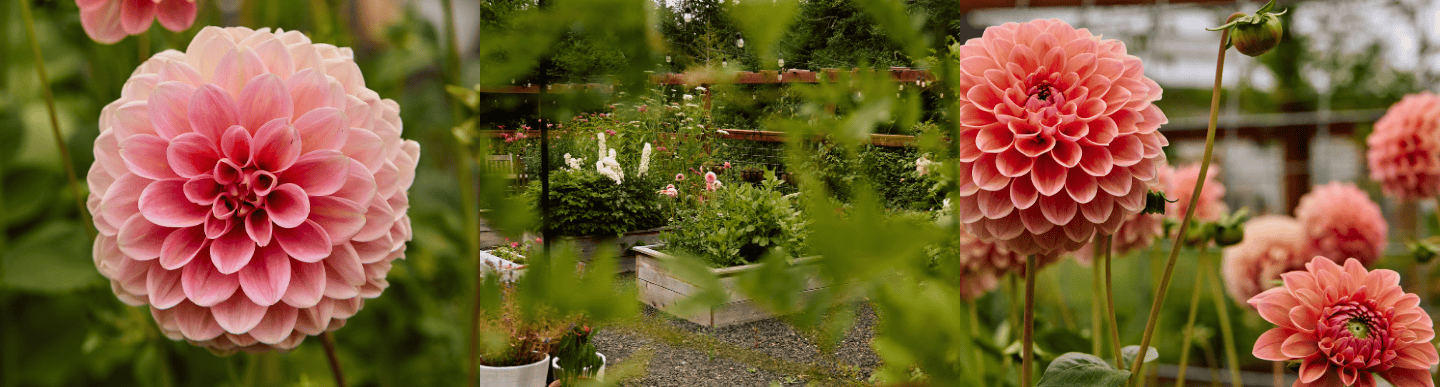
Here's how that's gone. Gig Harbor is zone 8b, so our winters are mild enough that leaving them in can work, especially with a good layer of mulch. But our bigger problem is how wet we are. Last winter was mild, and about 75% of our dahlias came back. The other 25% were exactly what you'd expect from a cold, wet Pacific Northwest winter: waterlogged, soggy tubers that had turned to mush in the ground. Our soil in January is less "soil" and more "cold soup," and a dahlia tuber sitting in cold soup until March is a dahlia tuber you no longer own.
I just planted new tubers in the gaps, and that turned out to have a silver lining I didn't plan for: the replacements came into bloom a few weeks behind the survivors, so we ended up with staggered bloom cycles and a longer dahlia season than if everything had come back at once. I'd love to tell you that was strategy. It was not.
The real culprit for us isn't even winter, though. It's slugs. In spring, those first tender shoots are apparently irresistible, and they can disappear almost overnight if we're not paying attention. So we start slug control early and keep at it. If you're in a damp climate, what you do in April and May can matter just as much as what you do in November.
So if you're in zone 8 or warmer — or in a mild, well-drained pocket of zone 7 — and you're short on time, here's my honest advice: cut the stems back after frost, pile on four to six inches of mulch, and accept that you may lose some. The colder or wetter your winters are, the more of a gamble it becomes. Then plant new ones in the holes and enjoy the accidentally extended season. And if you have the time to dig, cure, and store them properly, do that instead, and know that I'm a little jealous.
I'm hoping to expand our dahlias from the garden out to the farm plots next year, which means I'll finally have enough of them that digging will make sense. Or enough of them that not digging will really cost me. We'll find out together.
Replanting in spring
Plant dahlia tubers after your last frost, once the soil has warmed to about 60°F, laying each tuber on its side with the eye facing up, four to six inches deep. Don't water until you see the first sprout; a tuber sitting in cold, wet soil before it's growing is right back where it started. Stake early, start your slug patrol before you see any damage, and get ready to think about all of this again come November.
Was it worth it?
Every year around the first frost I look at the blackened dahlia plants and think about how much easier it would be to grow something that just goes dormant politely. Then I remember the bees asleep in the dinnerplates on those cool October mornings, and the six-foot plants that just blow our mind, and the fact that a well-kept tuber turns into two or three, so the bed gets bigger every year for free if you do it right. So we mulch. And we replant. And someday, when there's time, we will dig (I promise!).
What about you all? Do you dig yours every year, or leave them in the ground and cross your fingers like we do? I'd genuinely love to know what works for you — partly because I'm always looking for a better way, and partly because it's nice to be reminded that none of us are doing any of this perfectly. Which is kind of true of most things in life, isn't it?
xx, Christina
FAQ
Do dahlias come back every year?
Dahlias come back every year only if the tubers survive the winter. In zone 7 and colder, the tubers need to be dug after the first hard frost and stored indoors around 40 to 50°F. In zones 8 and warmer, and in the mildest pockets of zone 7, they can stay in the ground under thick mulch if the soil drains well. Cold, wet soil rots tubers even where the ground never freezes.
When should you dig up dahlia tubers?
Dig dahlia tubers one to two weeks after the first hard frost blackens the foliage. The frost signals the plant to move its energy into the tubers, and the wait afterward toughens the skins and makes the eyes easier to see. In frost-free climates, dig in mid-to-late fall once the plant has stopped blooming and the days are cool.
How do you store dahlia tubers over the winter?
Store dahlia tubers in a breathable medium such as coarse vermiculite, wood shavings, or coco coir, in a container that isn't airtight, in a dark space around 40 to 50°F; the low 40s are a great target if you can maintain them. Cure the dug clumps for several days first so cuts callus and skins dry. Check monthly and remove any soft or moldy tubers.
Can you leave dahlias in the ground over winter?
You can leave dahlias in the ground over winter in zones 8 and warmer, and in the mildest pockets of zone 7, as long as your soil drains well. Cut the stems back after frost and cover the bed with four to six inches of mulch. In colder zones, or anywhere with cold, wet winter soil, digging and storing the tubers is the safer choice. At Farmgirl Flowers' Farmquarters in zone 8b, leaving them in under mulch brought back about 75% of the plants after a mild winter.
How do you divide dahlia tubers?
Divide dahlia tubers by cutting the clump apart so that each piece has a tuber with an intact neck, a section of the crown, and at least one visible eye. Use a clean, sharp knife, let the fresh cuts dry and callus, and then pack or plant. Divide either in fall after curing or in spring just before planting, when the eyes are swelling and easier to see.
What is a dahlia eye?
A dahlia eye is a small bump on the crown of the tuber, where the tuber joins the old stem, from which next year's shoot will grow. Eyes are often pinkish or pale green and become more visible in spring. A tuber without an eye will not sprout, no matter how healthy it looks.
Can you store dahlia tubers in the refrigerator?
You can store dahlia tubers in a refrigerator, but it isn't the best option. A fridge holds the right temperature and almost none of the humidity, so tubers shrivel, and ethylene gas from stored produce can push them out of dormancy or cause rot. If it's the only cool space you have, use the crisper drawer with barely damp medium, keep fruit out of that drawer, and check the tubers every few weeks.
How long do dahlia tubers last in storage?
Dahlia tubers last a single dormant season in storage, roughly five to six months, from digging after the first frost in October or November to replanting after the last frost in spring. They aren't meant to be held longer than one winter. By late spring they begin sprouting on their own and need to go back in the ground, and tubers held past that point shrivel or rot.